
Table of Contents
Executive Snapshot
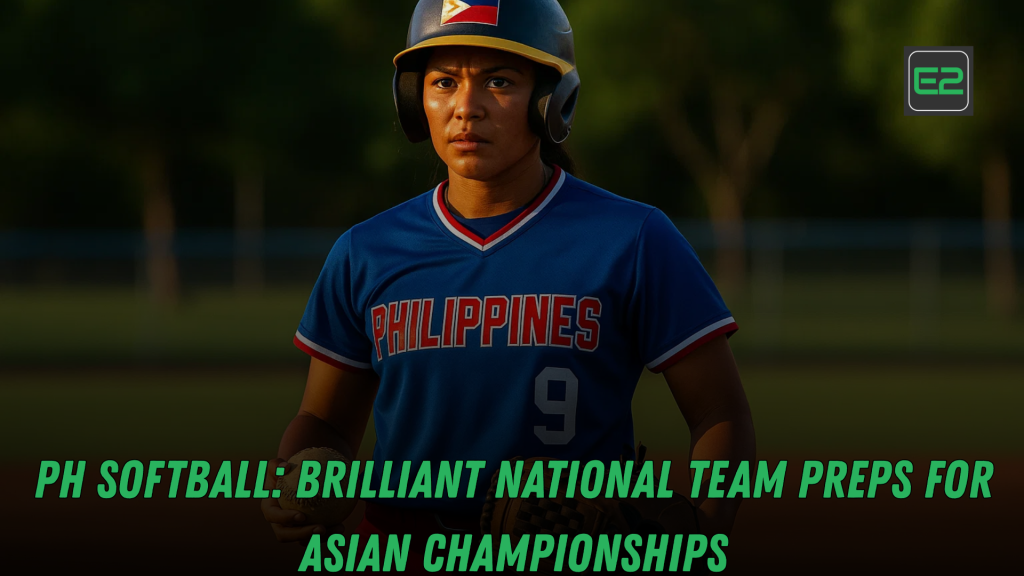
The Philippine softball national team is building toward the Asian Championships with a plan that balances tradition and modern sport science. This long-form preview breaks down the national program’s roster construction, pitching and hitting blueprints, defensive systems, sports science, analytics, opponent scouting, travel logistics, and fan engagement—everything that must click for a podium push. Whether you’re a coach, player, parent, or fan, you’ll find practical detail here and a clear call-to-action to support the team from training camp to championship week.
Primary keywords used naturally throughout: Philippine softball team, Asian Championships, women’s softball Philippines, national team training, roster selection, pitching staff, hitting approach, strength and conditioning, scouting report, fan support.
Why This Asian Championships Matter for Philippine Softball
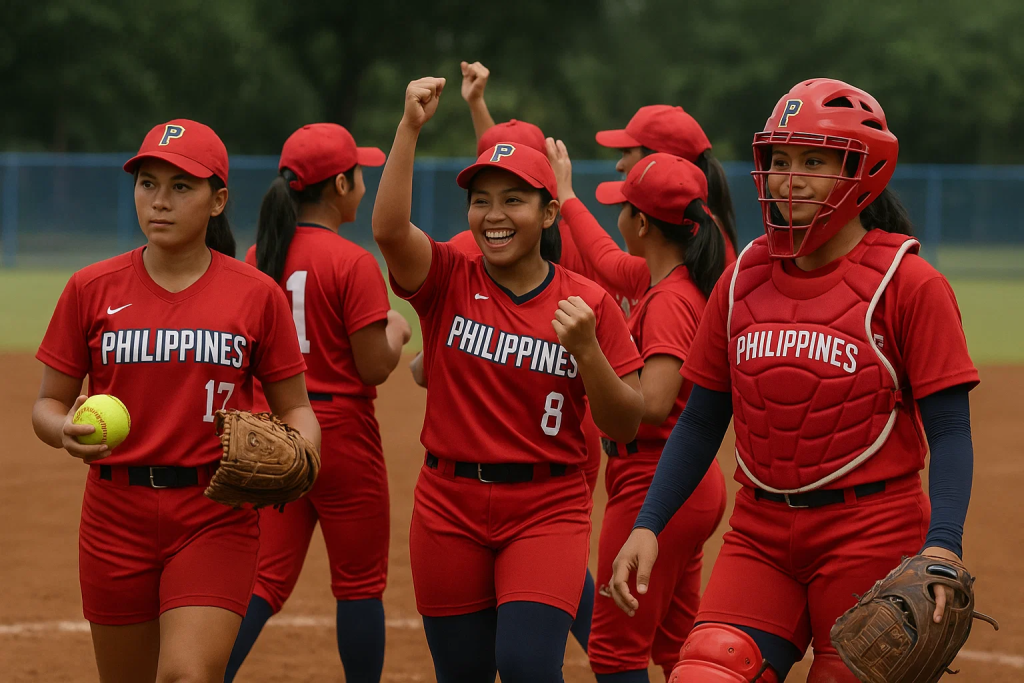
The Asian Championships are more than a medal chase—they’re the region’s most data-dense, pressure-tested checkpoint for national programs. A strong finish boosts global ranking, strengthens qualifier seeding, and signals to sponsors and the youth pipeline that softball in the Philippines is ascending. For the coaching staff, it is the truest audit of systems, depth, and identity—the three pillars that decide high-leverage innings.
- Systems = repeatable habits (communication, coverage, situational offense).
- Depth = interchangeable parts that keep performance stable under stress or injury.
- Identity = what the team leans on when a game tightens (short-game pressure, strike-throwing, team speed).
Softball Roster Construction: Building a 20-Player Engine That Wins Tight Games
Elite tournaments reward versatility. The national roster should look less like 20 isolated positions and more like a live decision tree that optimizes matchups inning by inning.
Pitching Staff (5–7 arms)
- Profiles to carry
- Command-first starter: gets early strikes, trusts defense, low pitch counts.
- Power/movement arm: late life, ride or heavy drop to change eye levels.
- Spin specialist: plus rise or plus curve; forces miss-hits and pop-ups in big moments.
- Change-of-pace reliever: disrupts timing the third time through.
- Matchup lefty/righty: for one key pocket (2–4 hitters).
- What wins in Asia: strikes at the bottom of the zone, first-pitch quality, and the courage to double up on the best pitch even when hitters expect it.
Catchers (2–3)
- Non-negotiables: quiet receiving, consistency on low-strike presentation, throwing footwork that shaves tenths, and leadership (sign-calling, tempo control, mound visits).
- Bonus value: a catcher who can run and bunt transforms late-inning options.
Infielders (6–7)
- Middle infield must own double-play turns and bunt coverages vs. short-game heavy nations.
- Corners need quick transfers and comfort charging slow rollers; a left-handed 1B is a plus for stretch angles.
- Utility IF who plays 2B/SS/3B at tournament speed is worth gold.
Outfielders (4–5)
- Reads and routes beat raw speed in championship parks; arm reliability deters first-to-third.
- Carry at least one late-inning defensive upgrade and one power bat corner-OF who can DH.
Bench Roles That Swing Medals
- Designated runner who reads pitchers, owns primary and secondary leads.
- Pinch-hit specialist vs. velocity or vs. spin.
- Defensive closer at SS/CF for one-run games.
Selection principle: Every player should have two ways to impact a win (position + role). If a roster spot only solves one very specific problem, you’re gambling against a long tournament.
The Softball Training Architecture: From Macrocycle to Clutch Reps
Championship performance is built on periodized blocks that peak at tournament week.
Macrocycle (12–16 weeks)
- Foundation (Weeks 1–4): movement quality, arm care, aerobic base, bat-to-ball focus, glove touch volume.
- Build (Weeks 5–8): live pitching, game-speed defense, situational offense reps, heat acclimation.
- Sharpen (Weeks 9–12): opponent-style simulations, bullpen scripting, series-style scrimmages.
- Taper & Travel (last 7–10 days): reduce volume, maintain intensity, set sleep and hydration routines for the host climate.
Weekly Microcycle (sample)
- Mon: Lower-body strength; bullpens (command focus); infield picks & DP turns; OF route trees.
- Tue: Live ABs; short-game circuits; baserunning reads; team defense scripts.
- Wed: Upper-body strength; machine velocity reps; two-strike approach; recovery mobility.
- Thu: Live defense vs. bunt/1st-3rd; relays and cuts; bullpen matchups.
- Fri: Game-condition scrimmage; scoreboard pressure sets; late-inning scenarios.
- Sat: Recovery, video review, optional skill cleanup.
- Sun: Off (light mobility, mental skills).
Key Performance Indicators (KPI)
- Pitching: First-pitch strike %, BB/7, chase rate on rise/drop, ground-ball %.
- Hitting: Zone contact %, hard-hit %, two-strike productive outs, bunt success %.
- Defense: Out conversion on routine plays (should be > 98%), relay timing, bunt out rate.
- Baserunning: First-to-third rate on singles, stolen base success, read quality.
Softball Pitching Blueprint: Command + Movement + Tempo
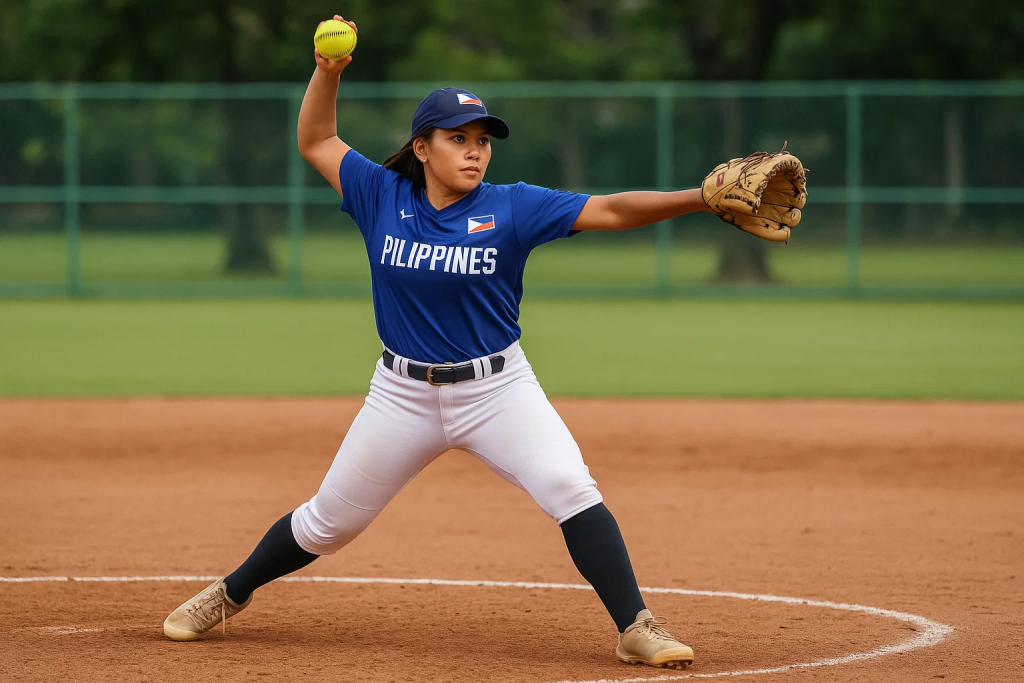
Asian hitters punish mistakes in the white of the plate. The national staff must weaponize movement lanes and tunnel deception.
- Pitch design focus:
- Riseball with true vertical break ratios for swing-under; pair with elevated fastball when the count favors.
- Drop/curve hybrids that start at the knee and finish below barrels for rollover grounders.
- Changeup separation of 8–12 mph with identical arm speed.
- Game theory: Start lineups with downhill shapes (drop/change) to earn early ground balls; pivot to rise/curve once the lineup shows chase above the belt.
- Tempo & holding runners: vary holds, pick looks, and delivery cadence to kill running games that rely on rhythmic pitchers.
Bullpen scripting: Enter with the opposite movement profile of the starter (rise after drop, or vice versa) to break timing. In tournament play, bridge relievers who can own the lineup’s middle pocket (2–5) often decide semifinals.
Softball Hitting Blueprint: Pressure the Zone, Own the Short Game, Hunt Mistakes
The Philippine profile historically blends contact skills, team speed, and short-game intelligence. Add selective aggression and you can stress elite staffs.
- Swing decisions: train shadow and edge recognition; build “green light” zones by hitter type.
- Two-strike plan: shrink stride, protect in, fight spin away; productive out wins in low-scoring games.
- Short game: drag and push bunts vs. deep corners; squeeze plays drilled with verbal and visual triggers.
- Gap power: target back-spin line drives; use machine Velo/Spin days to normalize elite speeds.
- DH/bench bats: have pre-scouted entry points (e.g., curve-first reliever; up-zone riseballer).
Situational offense menu
- Runner at 1B, <2 outs: hit-and-run vs. strike-throwers; straight steal vs. slow-to-plate times.
- Runner at 2B, no outs: push bunt to 3B hole; slash vs. early wheel defense.
- Late tie game: weaponize the 9-hole if she can bunt, run, and flip the lineup.
Softball Defense & Run Prevention: Win the Hidden 27 Outs
In medal rounds, the difference is rarely a towering home run—it’s the one bunt you smothered and the relay you nailed.
- Bunt defense library: regular, wheel, slash-protect, and delayed-steal counters; responsibilities announced by single-word codes.
- Cuts & relays: practice throwing to a chest, not an area; run tag-side throws from foul-line doubles; rehearse trailing runners to cut cheap extra bases.
- Shifts/light shades: small, scout-led adjustments (one step pull/oppo) that don’t weaken bunt lanes.
- Catcher craft: present low pitches quietly, block to throwing lanes, not just dead-stop blocks.
- Outfield comms: mandatory priority calls and wall awareness; doubles turn into singles with clean field-to-cut timing.
Sports Science: Heat, Hydration, Sleep, and Speed
Tournament weeks compress stress, travel, and climate load. The staff should run simple, enforceable protocols:
- Heat strategy: pre-cool with slushies or chilled towels; electrolytes in measured doses; weigh-in/out to monitor losses.
- Nutrition: protein targets (1.6–2.2 g/kg/day), carb-forward pre-game, light post-game recovery (carb + protein within 30–45 min).
- Sleep & time-zone management: anchor morning light exposure, limit late caffeine, and use wind-down routines (breathing, mobility).
- Injury prevention: daily arm care, hip/shoulder mobility, and posterior chain activation; sprint mechanics (A-skips, wicket runs) for hamstring safety.
- Load management: track total throws, swings, and high-speed sprints; taper before knockout rounds.
Softball Analytics & Video: Turning Information into Outs and Runs
You don’t need a giant budget to run smart analytics:
- Pre-scout boards: pitch usage by count, bunt frequency by inning, steal temps, 1st-3rd aggression.
- In-game tags: ground-ball directions, chase zones, OF throw success.
- Post-game 30-minute loop: one clip per player (not ten), one team theme for tomorrow.
- Opposition patterns: some nations lean small-ball early, others play for three-run swings; maps dictate defensive shades and pitch calls.
Softball Scouting the Field: Styles You Must Be Ready For
Without overfitting to a single opponent, prepare for four archetypes you’ll likely face:
- Precision short-game heavy: bunts, slaps, steals. Counter: tight wheel coverage, pitch to induce top-spin, throw behind runners.
- Velocity & riseball staff: challenge up and in. Counter: two-strike flattening, top-hand strength, high-tee practice, take high fastballs early in counts.
- Ground-ball factory: heavy dropballs. Counter: look down, hit down—don’t chase below the knee; elevate when ahead.
- Power-centric offense: low K%, lift the ball. Counter: keep ball off the barrel with late movement; outfield plays deeper, infield adjusts for harder hops.
Softball Game Management: The One-Run Playbook
- Lineup cards: prep two versions—vs. velocity and vs. spin; pre-mark pinch-run and defense-for-offense swaps.
- Bullpen use: save the movement contrast for the game’s middle; avoid warming the same reliever three straight days.
- Replay in your mind: the 7th-inning bunt you’ll need in a semifinal—practice it in the 1st inning of pool play.
Softball Culture, Leadership, and the Filipino Edge
Great programs win because their habits are louder than the crowd:
- Common language: short, repeatable cues (e.g., “bottom-bottom” for ground-ball plan).
- Huddle rules: one message, one voice; celebrate outs, not just hits.
- The Pinoy edge: resilience, joy in playing for flag, and team speed that reshapes innings.
Softball Communications & Fan Engagement: Turning Momentum into a Movement
- Before tournament: post training clips, explain why drills matter, introduce players’ backstories.
- During games: bite-size rule explainers, inning summaries, and player-led content.
- After games: human moments—thank-you notes, autograph corners, community clinics.
Hashtags & CTAs: #PHSoftball #RoadToAsia #BringTheGlove #PusoAtPlay. Encourage fans to host watch parties, share skill mini-challenges, and donate to gear drives for youth clubs.
Grassroots to National Team: Strengthening the Pipeline
- School leagues & local clubs: align coaching clinics, share fundamentals syllabus (throwing mechanics, receiving, short-game).
- Regional ID camps: measure speed, bat speed, arm strength, not just results.
- Diaspora scouting: invite Filipino heritage players to open tryouts; clarify eligibility early.
- Coach education: standardize practice templates so athletes feel a continuous language from club to national team.
Logistics: What Helps You Win Without Touching the Ball
- Equipment redundancy: spare masks, gloves, shoe types for turf/clay; tape & tools for rapid repairs.
- Venue recon: sun angles, prevailing wind, backstop bounce, mound hardness.
- Travel admin: visas, medical docs, emergency contacts; rooming plans that match athlete sleep patterns.
- Contingency weather plan: tarp timing, warm-up accelerators, hydration pre-sets.
How Fans and Partners Can Help—Today
- Share training content and tell the team’s story.
- Attend tune-up games and bring a teammate new to softball.
- Sponsor recovery tools (cooling towels, hydration), video equipment, or community clinics.
- Volunteer as scorers, ushers, and clinic assistants.
When a national program grows, it’s because the whole ecosystem decides to lift.
Call-to-Action
If you believe the Philippine softball national team can author a new era in the Asian Championships, now is the time to lean in:
- Follow the team’s official channels and turn on alerts.
- Host a watch party or a skills clinic in your barangay and tag #PHSoftball.
- Support the athletes—buy a ticket, pick up merch, or sponsor team essentials.
- Share this guide with coaches and players who dream of wearing the flag.
Let’s turn preparation into podiums—one clean rep, one loud crowd, one clutch inning at a time.
FINAL WORDS
From bullpen scripts to bunt coverages, from electrolytes to extra bases, championship softball is a sum of small, relentless wins. The Philippines has the talent and the heart—now let’s supply the loud, organized support that turns promise into podiums.
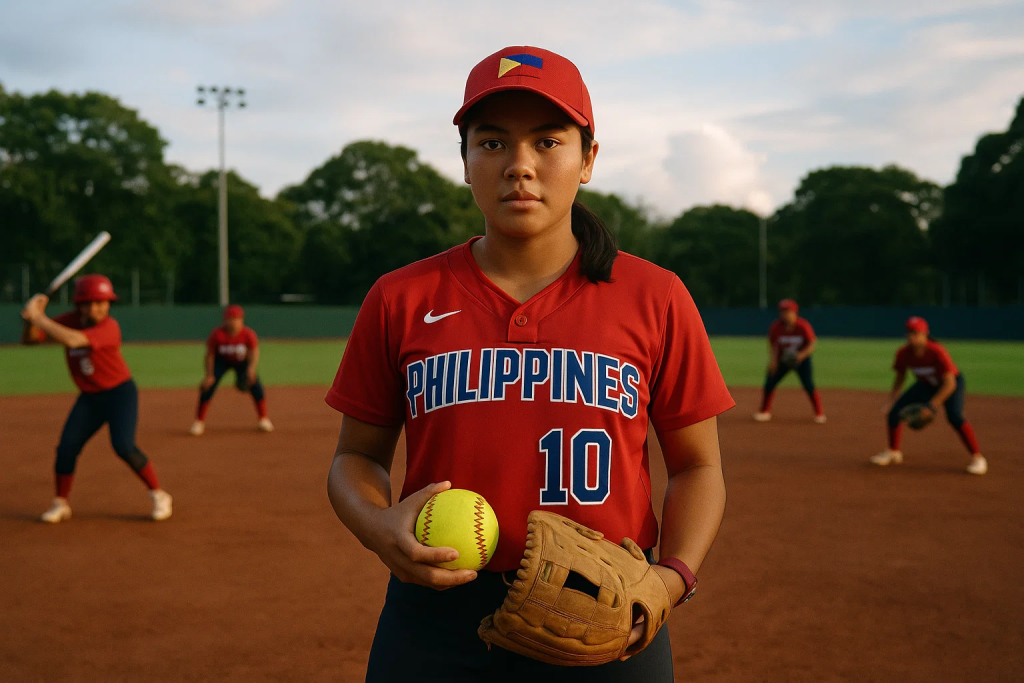
The Philippine women’s softball team is building a podium-ready campaign for the Asian Championships by blending tradition with sport science and simple, repeatable systems. Roster construction emphasizes versatility: a 20-player unit where each athlete has at least two ways to impact wins. The pitching staff mixes command-first starters, movement/power arms, and contrast relievers; catchers anchor tempo and low-strike presentation; infielders drill bunt coverages and double plays; outfielders prioritize reads, routes, and tag-side throws. Bench roles—pinch-runner, pinch-hitter, defensive closer—are pre-scripted for one-run games.
Training is periodized (foundation → build → sharpen → taper), with weekly microcycles that balance strength, live reps, situational offense, and recovery. KPIs center on first-pitch strike rate, zone contact, bunt success, routine out conversion, and baserunning efficiency. Pitching strategy weaponizes movement lanes (rise/drop/change) and tempo variance; hitting combines selective aggression, two-strike plans, short-game pressure, and gap power. Defense wins “hidden outs” via wheel plays, cuts/relays, small shifts, and elite catcher craft.
Cold Weather Training for PH Hoopers: Amazing Blizzard Basketball
Sports science protocols cover heat acclimation, electrolytes, protein/carbs timing, sleep hygiene, arm care, sprint mechanics, and load management. Low-cost analytics focus on scout boards, simple spray charts, and a tight postgame film loop. Scouting prepares for four archetypes: short-game precision, riseball velocity staffs, ground-ball factories, and power offenses—each with counters.
Culture and communication—short cues, calm huddles, joyful resilience—form the Filipino edge. Fans and partners can elevate the run through watch parties, clinics, gear drives, and sponsorships. The CTA: follow, host, support, and share—turn organized preparation into podium results at the Asian Championships.
FAQs: Philippine Softball & the Asian Championships
1) How is the national team selected for the Asian Championships?
Selections typically combine domestic standouts, collegiate stars, and Filipino-heritage athletes abroad. Coaches evaluate skills, adaptability, and role fit (e.g., utility infield, late-inning defense, pinch-run value). Every selected player should have two pathways to contribute in a given game.
2) What style of play gives the Philippines the best chance to medal?
A contact-plus-speed identity with situational offense, precise defense, and strike-throwing pitching travels well. Short-game pressure, smart baserunning, and movement-based pitching are proven separators in tight, low-scoring international games.
3) How does the team use analytics without a huge budget?
Focus on core KPIs (first-pitch strike %, zone contact, bunt success, routine out conversion), simple spray charts, and in-game tags. After each game, review one clip per player plus one team theme—quality over quantity.
4) What can youth players do now to reach national level later?
Master throwing mechanics, receiving, and short-game techniques; build speed and general strength; compete often; and keep academic and eligibility documents organized. Attend regional ID camps and seek coaching that teaches the same language as the national program.
5) How can fans and sponsors make the biggest difference this season?
Support tune-up games, share content, donate gear to grassroots clubs, and fund performance essentials (hydration, recovery tools, video). Visibility and resources amplify preparation and help the team peak at the Asian Championships.